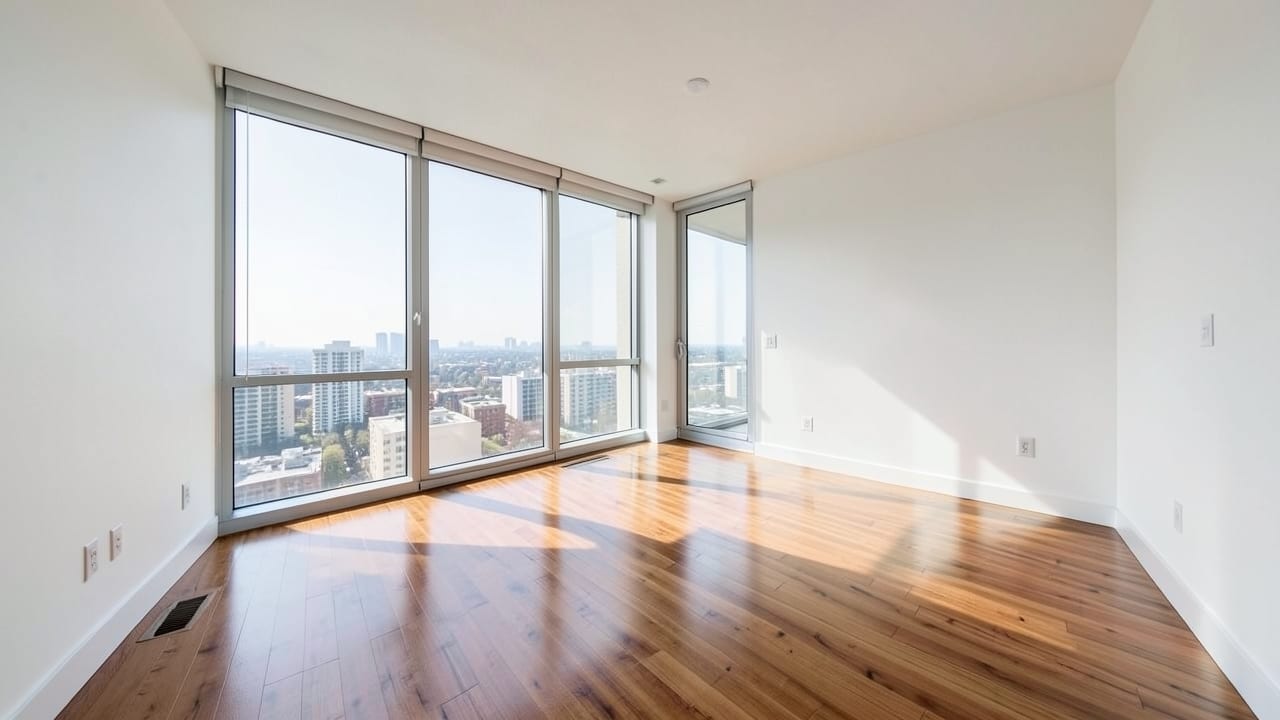
Condo Mold Remediation
Professional removal and treatment of mold in condominiums to restore safe, healthy living spaces.
Condo mold remediation in Washington, DC addresses hidden or widespread mold growth in shared or individual units by removing contaminated materials, sealing work areas, and preventing spore spread. Proper ventilation and moisture control help ensure the problem does not return once visible traces are removed.
When mold needs professional removal
Mold covering more than a small patch, returning after cleaning, or hidden behind walls or under flooring often signals a problem beyond surface cleaning. A musty smell that worsens with HVAC use may indicate ductwork contamination.
We also handle Spring Mold Inspection and Pre-Sale Mold Clearance for Washington properties.
These signs suggest the moisture source or growth scale requires professional intervention rather than DIY methods.
In Washington’s older buildings, poor airflow in closets, windowless bathrooms, or basements can trap dampness long after leaks or condensation are fixed. Without proper drying, mold regrows on the same surfaces. A licensed contractor assesses whether the issue is isolated or systemic, ensuring the right approach is taken.
Signs Professional Mold Removal Is Needed
- Mold covers more than 25 square feet of contiguous surface (a threshold used in some states for requiring licensed work).
- Growth reappears in the same spot within weeks of cleaning, indicating the moisture source was not addressed.
- A musty odor persists with no visible mold, suggesting hidden growth behind walls, under flooring, or in ductwork.
- The affected area is in a hard-to-reach or poorly ventilated space, like a basement closet or windowless bathroom.
What affects cost and timeline
Pricing for mold remediation in Washington varies based on the size of the affected area, the materials involved, and whether shared spaces (like hallways or HVAC systems) require containment. Older buildings with lead paint or asbestos may need additional safety measures, increasing labor time and costs.
The process typically includes containment, material removal, HEPA filtration, structural drying, and clearance testing. Each step adds time, especially in multi-unit buildings where coordination between units is required. A site visit helps determine the full scope before pricing is finalized.
What happens after remediation?
Once mold is removed, the focus shifts to preventing recurrence. Industrial dehumidifiers and air movers dry structural materials to normal moisture levels, and HEPA vacuuming captures loose spores. However, the work only lasts if the original moisture source—like a leak, poor grading, or condensation—is fixed.
Homeowners should monitor humidity in the affected area for the first year, using a hygrometer to catch early signs of dampness. Small fans or dehumidifiers in persistently damp rooms (such as closets or basements) help maintain airflow and reduce future risk.
| Step After Remediation | Why It Matters | What Homeowners Can Do |
|---|---|---|
| Fix the moisture source (leaks, grading, HVAC issues) | Prevents mold from returning on the same surfaces. | Inspect gutters, downspouts, and foundation drainage; address condensation with ventilation. |
| Run dehumidifiers or fans in damp areas | Keeps humidity below 60% to discourage regrowth. | Place units in closets, basements, or windowless bathrooms. |
| Schedule periodic humidity checks | Catches early signs of moisture before mold reappears. | Use a hygrometer monthly for the first year in previously affected rooms. |
How condo mold remediation works
Professional remediation follows strict steps to contain spores, remove contaminated materials, and restore safe conditions.
- 1Containment Setup
Plastic sheeting and negative-air machines seal the work area, preventing spores from spreading to unaffected parts of the unit or shared spaces. Doors and vents are blocked to maintain negative pressure inside the containment zone.
- 2Material Removal
Porous materials like drywall, insulation, and carpet padding—absorbed with mold—are cut out and double-bagged for disposal. Non-porous surfaces (framing, tile) are scrubbed with antimicrobial treatments instead of discarded.
- 3HEPA Filtration and Cleaning
HEPA air scrubbers run continuously during removal to capture airborne spores. Surfaces are vacuumed with HEPA-equipped tools, and all debris is contained to avoid recirculating contamination.
- 4Structural Drying
Industrial dehumidifiers and air movers reduce moisture in framing and subfloors to normal levels. Mold cannot regrow on dry materials, even if spores remain.
- 5Clearance Testing
An independent lab tests air and surfaces for remaining spores. Results confirm whether spore counts are within normal ranges before containment is removed.
Frequently asked questions
My mold keeps coming back after cleaning. What does that mean?
Recurring mold usually means the moisture source—like a leak, condensation, or poor drainage—wasn’t fixed. Surface cleaning removes visible growth, but without addressing the dampness, spores regrow on the same materials within weeks.
Do I need to move out during remediation?
Most remediation in condos is done while residents stay in place, but containment may limit access to the affected area. HEPA filtration and sealing reduce spore spread, but shared spaces (like hallways) might need temporary avoidance until work is complete.
How do I know if my mold problem is serious enough for professional help?
If mold covers more than a small patch, returns after cleaning, or you smell it but can’t see it, professional assessment is recommended. Hidden growth (behind walls or in ducts) often requires specialized tools and containment to remove safely.
Will remediation damage my walls or flooring?
Some materials (like drywall or carpet padding) may need partial removal if mold has penetrated deeply. Non-porous surfaces (tile, metal framing) are cleaned and treated instead of replaced, minimizing structural changes.
See Riverdale Park, MD for more, or explore everything Washington homeowners can book with us side by side for our complete lineup.
Ready to get started?
Talk to a local mold remediation pro in Washington — get a written quote.
Other Mold Remediation Services in Washington
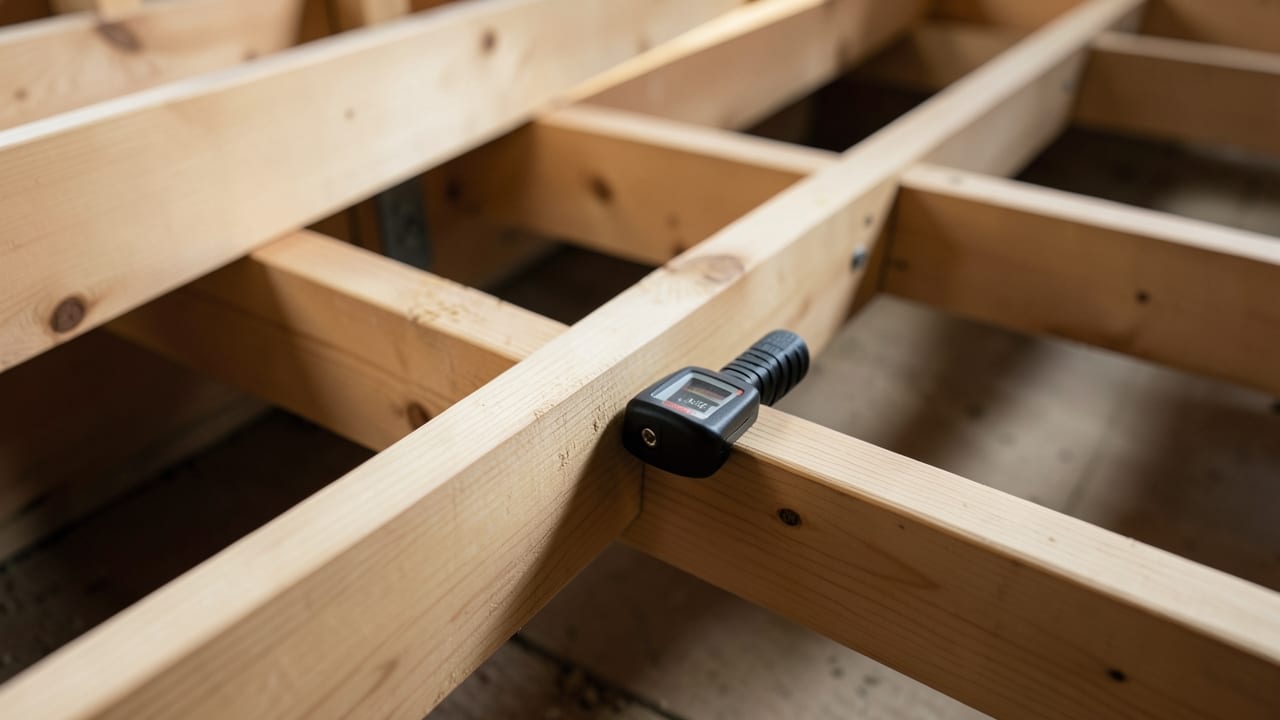
Spring Mold Inspection in Washington, DC
Professional assessment and identification of mold growth in homes.
Learn More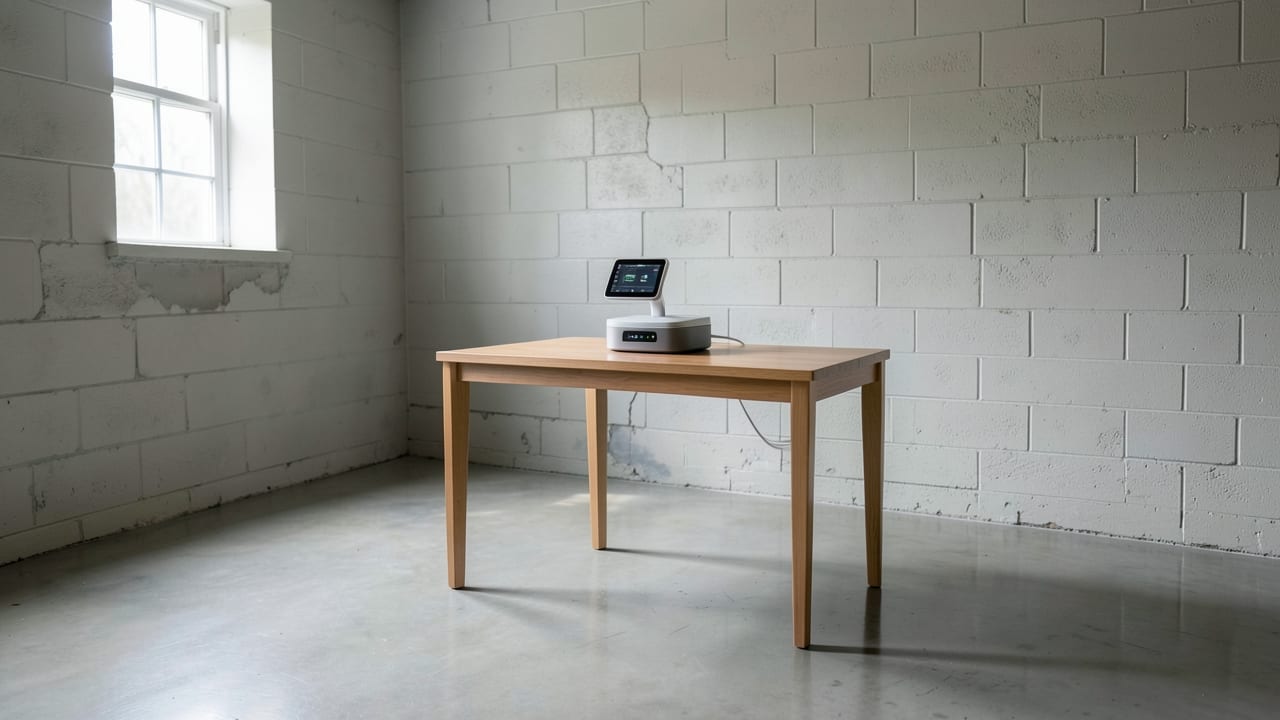
Pre-Sale Mold Clearance in Washington, DC
Pre-sale mold clearance involves inspection and testing to confirm a property is mold-free before purchase.
Learn More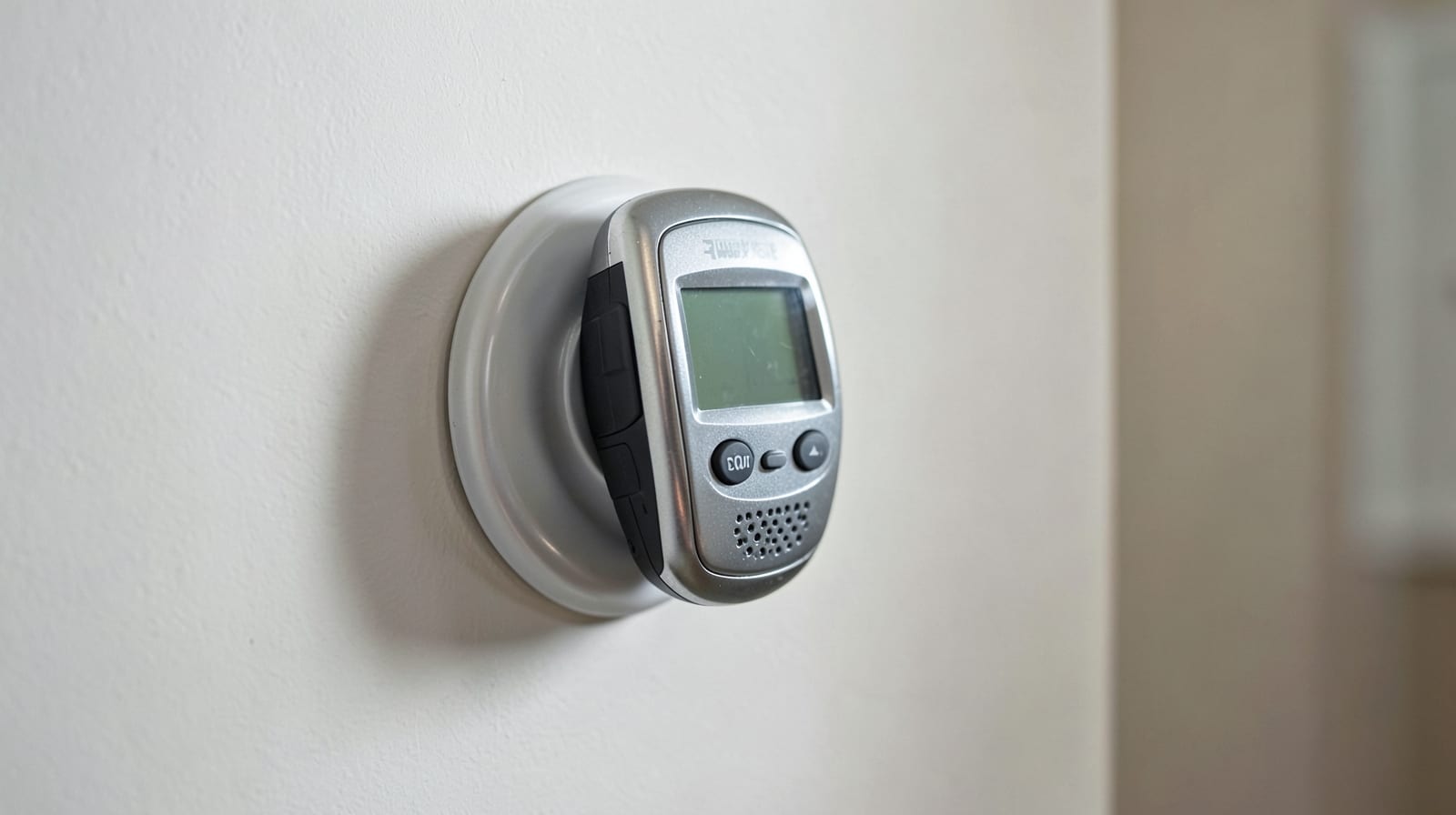
Mold Inspection in Washington, DC
Mold inspection in Washington, DC — a visual and moisture-meter assessment that finds the source of growth, not just the visible spot on the wall.
Learn More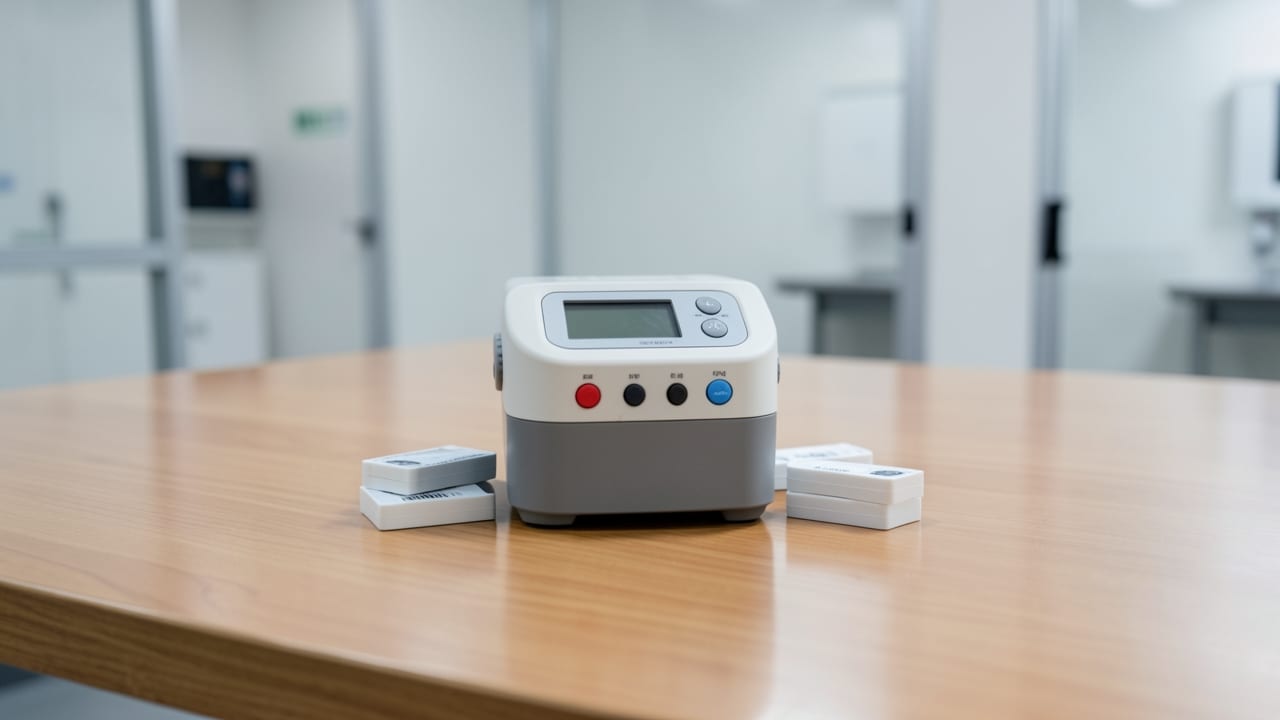
Mold Testing & Air Quality Testing in Washington, DC
Mold and indoor air quality testing in Washington, DC — lab-analyzed air and surface samples confirm what's actually growing and whether it's airborne.
Learn More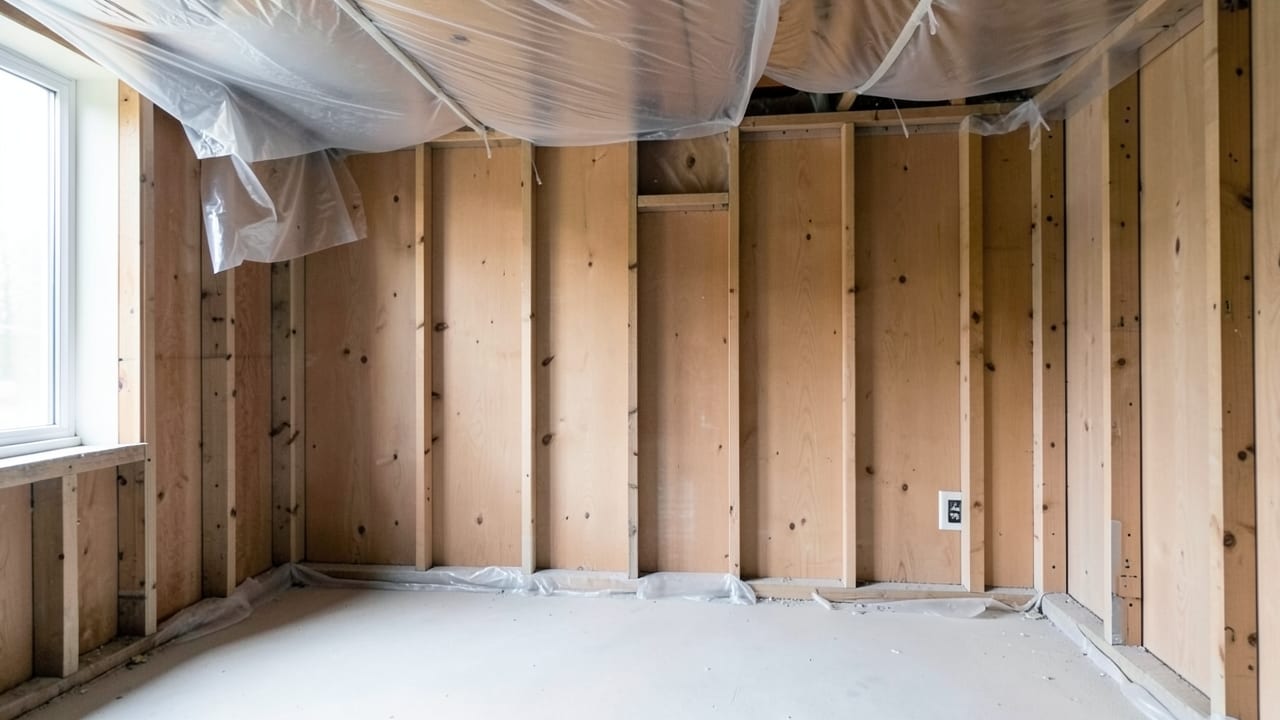
Mold Removal & Remediation in Washington, DC
Mold removal and remediation in Washington, DC — containment, HEPA filtration, and removal of affected material following industry (IICRC S520) protocol.
Learn More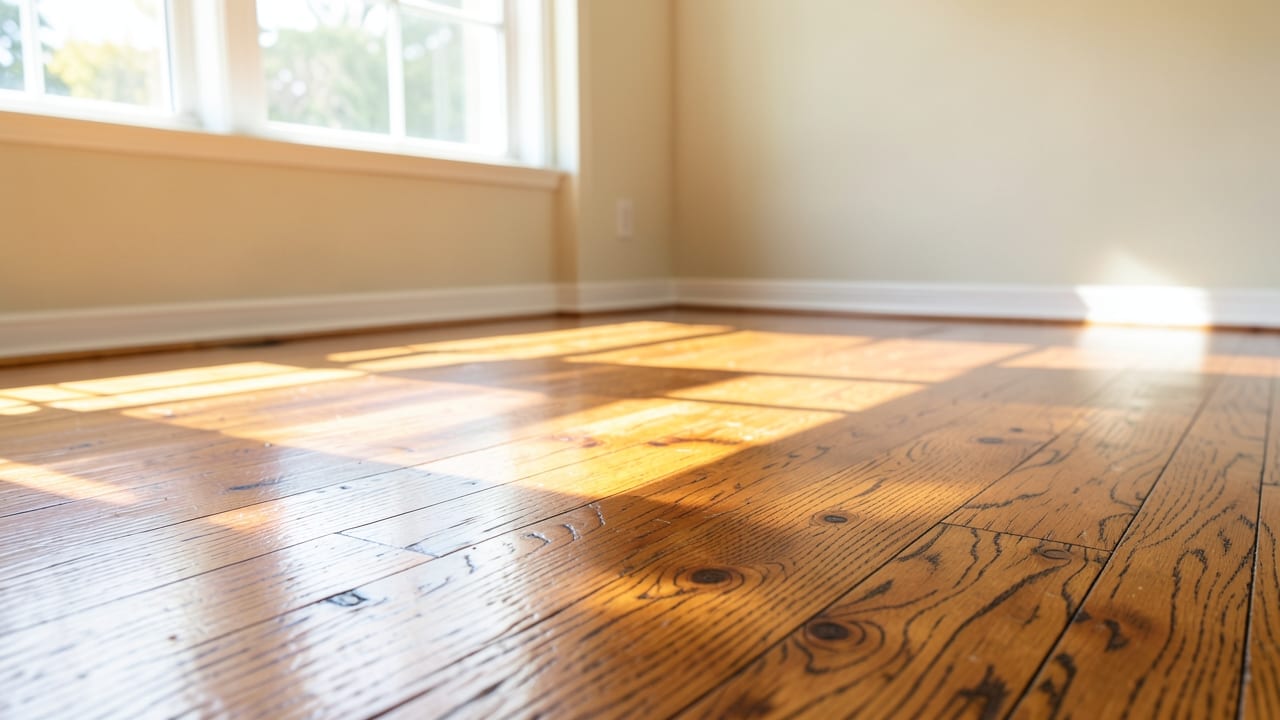
Water Damage Restoration in Washington, DC
Water damage restoration in Washington, DC — extraction and structural drying to stop mold growth before it starts, following a leak, storm, or flood.
Learn MoreCommon Questions About Mold Remediation in Washington
Everything you need to know about mold remediation services in Washington
How much does Condo Mold Remediation typically cost in Washington, DC?
Why does Washington, DC's humidity make mold a bigger risk than in drier regions?
Does mold mean the same thing as mildew?
Does homeowners insurance typically cover mold remediation?
Is black mold actually more dangerous than other mold types?
How long does a typical mold remediation job take?
Need Mold Remediation in Washington?
Connect with local providers in Washington for a detailed quote.
⏰ We answer your call • Serving all of Washington and surrounding areas